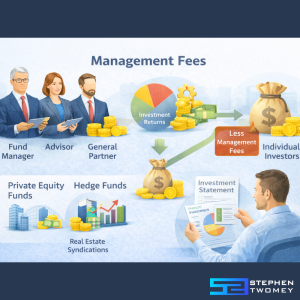

Alternative investments offer accredited investors the opportunity to access asset classes beyond traditional stocks and bonds. These investments can include private equity, venture capital, hedge funds, real estate, commodities, and private credit. For accredited investors, alternatives represent a pathway to diversify portfolios, manage volatility, and seek higher long-term returns. But they also come with higher risk, lower liquidity, and greater complexity.
This guide explains how accredited investors qualify for alternative investments, how deal access works, and how to approach these opportunities with institutional-level discipline.
Definition & Qualification Criteria
The accredited investor designation, defined by SEC Regulation D, Rule 501, determines who can participate in unregistered private offerings, including alternative assets. The SEC uses this classification to ensure that investors have the financial capacity and sophistication to evaluate non-public, higher-risk investments.
Who Qualifies as an Accredited Investor
To qualify as an accredited investor, individuals and entities must meet one or more of the following thresholds:
- Net Worth: Over $1 million, individually or jointly with a spouse, excluding the primary residence.
- Income: Annual income exceeding $200,000 (or $300,000 with a spouse) for the past two years, with an expectation of maintaining it.
- Professional Credentials: Holders of Series 7, Series 65, or Series 82 FINRA licenses automatically qualify.
- Entities: Trusts, partnerships, or corporations with more than $5 million in assets, or where all owners are accredited.
The SEC periodically reviews these thresholds to align with inflation and evolving financial sophistication. As of 2025, these core standards remain unchanged but continue to be under regulatory consideration.
According to Investor.gov, the goal of accreditation is to protect investors by restricting private placements to those who understand and can absorb potential losses.
“Accreditation is less about wealth and more about capacity—financial, analytical, and psychological—to handle complex private markets.”
Verification Methods & Documentation
Accredited status must be verified before participating in most private placements, especially those under Rule 506(c), which allows general solicitation but requires “reasonable steps” to confirm eligibility.
Common Verification Methods
- Third-party letters: Written confirmation from a CPA, attorney, or registered investment adviser.
- Financial documentation: Review of tax returns, bank or brokerage statements, or credit reports.
- Professional license verification: FINRA’s BrokerCheck can confirm license-based qualifications.
- Self-certification: Accepted only under Rule 506(b) offerings that are not publicly marketed.
Example
A private credit fund marketing under 506(c) may partner with verification services such as VerifyInvestor or Parallel Markets to validate income or asset data securely. This process ensures compliance without requiring investors to share sensitive documents directly with fund managers.
Verification is typically valid for 90 days and must be renewed for subsequent offerings.

Deal Flow Access & Gatekeepers
Access to alternative investments is one of the primary advantages of accredited investor status. However, deal flow remains filtered by intermediaries, platforms, and fund managers who curate opportunities and control entry.
Where Accredited Investors Find Alternative Investments
- Private Equity Funds: Capital pooled to buy and restructure private companies.
- Venture Capital Funds: Focused on early-stage startups with high growth potential.
- Hedge Funds: Employ advanced strategies to generate absolute returns.
- Private Real Estate Funds: Invest in commercial, residential, or development projects.
- Private Credit: Direct lending, distressed debt, or mezzanine financing.
- Commodities and Infrastructure: Inflation hedges and tangible asset exposure.
The Role of Gatekeepers
Gatekeepers—fund managers, family offices, and digital marketplaces—control most accredited investor deal flow. They perform due diligence, set minimum investment requirements, and manage fund structures.
Platforms such as iCapital, Yieldstreet, and CrowdStreet have helped democratize access, allowing investors to participate in institutional-grade deals with lower minimums.
According to PitchBook, alternative assets under management globally surpassed $13 trillion in 2024, with private equity, real estate, and private debt accounting for over 70% of that total.
“Deal access is the new alpha. In alternatives, who you invest with often matters more than what you invest in.”
For detailed coverage of specific asset classes, see [/blog/accredited-investor-private-equity/] and [/blog/accredited-investor-hedge-funds/].
Risks, Liquidity & Suitability
Alternative investments offer higher potential returns but come with meaningful trade-offs in liquidity, transparency, and valuation frequency. Investors must evaluate both systemic and idiosyncratic risks before committing capital.
Key Risks
- Illiquidity: Lock-up periods often range from 5 to 10 years with limited redemption options.
- Valuation uncertainty: Private assets are not marked-to-market, leading to lagging or opaque valuations.
- Leverage exposure: Many alternative strategies employ borrowing to enhance returns, magnifying both gains and losses.
- Concentration: Single-sector or fund exposure can increase downside volatility.
- Regulatory risk: Private markets face evolving SEC oversight, especially around disclosures and marketing.
Suitability
Alternatives are appropriate for investors who:
- Can tolerate long holding periods without liquidity.
- Have diversified core portfolios in public markets.
- Understand risk-adjusted return frameworks.
- Seek exposure to strategies uncorrelated with traditional indices.
A Cambridge Associates study found that portfolios with 20–30% allocation to private alternatives outperformed traditional 60/40 portfolios by 2–3% annually over 15 years, but returns varied widely based on fund selection and entry timing.
“Alternatives can stabilize or amplify returns depending on one variable—manager selection.”
Portfolio Role & Diversification
For accredited investors, alternatives serve as both a growth driver and a hedge against traditional market volatility. The key is structuring them to complement, not compete with, public holdings.
Example Allocation Model
A well-balanced accredited investor portfolio might include:
- 50% traditional equities and bonds.
- 15% private equity and venture capital.
- 10% hedge funds or liquid alternatives.
- 15% private real estate and infrastructure.
- 5% commodities or private credit.
- 5% cash or short-term reserves.
Strategic Advantages
- Diversification: Alternatives often have low correlation to public equities.
- Inflation Protection: Real assets and private credit offer natural hedges.
- Return Potential: Access to pre-IPO and private growth markets.
- Tax Efficiency: Certain structures, like Opportunity Zones or REIT pass-throughs, offer significant benefits.
Institutional investors, such as endowments and pension funds, routinely allocate 30–40% of portfolios to alternatives. Their approach—balancing illiquid assets with predictable income streams—serves as a model for high-net-worth individuals seeking similar diversification.
“In modern portfolios, alternatives are no longer optional—they are essential for resilience and asymmetric growth.”
Next Steps For Investors
Becoming an accredited investor is the starting point. The next phase is strategic participation—selecting the right structures, managers, and time horizons to align with your wealth objectives.
Actionable Steps
- Verify accreditation: Confirm through CPA or third-party platforms for compliance.
- Define objectives: Decide whether your focus is income, growth, or preservation.
- Research platforms: Evaluate fund transparency, fees, and reporting quality.
- Start small: Begin with manageable commitments to learn allocation mechanics.
- Diversify across vintages: Stagger commitments to smooth cash flow and market timing.
- Engage professionals: Work with advisors experienced in private markets and alternative fund selection.
Private markets require patience, diligence, and a long-term mindset. For accredited investors who understand their structure, alternatives provide access to opportunities that once belonged exclusively to institutions and ultra-high-net-worth investors.
This content is provided for informational and educational purposes only and should not be construed as financial, investment, or legal advice. Investing involves risk, and past performance does not guarantee future results. Readers should consult with a licensed financial advisor or qualified professional before making any investment decisions.