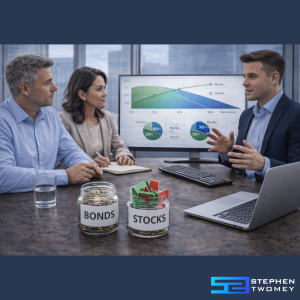

Trading foreign currencies inside a self-directed retirement account is no longer a niche tactic. For accredited investors seeking uncorrelated exposure, using a complementary allocation to traditional holdings may offer strategic upside. This guide explains how Forex trading in a self-directed IRA works, what to watch out for and how to integrate it into a broader alternative-investment strategy.
Introduction to Forex Trading in a Self-Directed IRA
An SDIRA gives the investor control over alternative assets that a standard IRA often will not allow. Unlike typical IRAs restricted to stocks and bonds, a self-directed vehicle can include Forex trading for qualified investors. That flexibility opens doors—but also demands a higher discipline level.
What is a Self-Directed IRA (SDIRA)?
A self-directed IRA is a retirement account held with a custodian that allows investment in assets beyond mutual funds and ETFs. Investopedia+1 The investor selects the alternative asset class, while the custodian administers the account, handles IRS filings and ensures assets are titled correctly.
Why Forex trading appeals to accredited investors
Currency markets trade roughly 24 hours a day, five days a week, and global daily volume exceeds trillions of dollars. Madison Trust Company+1 For an accredited investor comfortable with risk, adding FX exposure inside a retirement vehicle can deliver diversification away from stock-market cycles and interest-rate regimes.
The Mechanics of Trading Forex Within an SDIRA
Making Forex trades inside a retirement account requires planning, structure and compliance.
Choosing a custodian that permits forex
Not all IRA custodians support Forex trading. Some specialize only in real estate or private equity. Make sure the custodian allows currency trading and works with brokers that handle IRAs. midlandtrust.com+1
Selecting an approved broker and structuring the account
Once you have a custodian, you will select a regulated Forex broker (CFTC/NFA regulated in the U.S.) that handles IRA-titled accounts. The trading account must be titled in the name of the IRA. Equity Trust
Funding the SDIRA and initiating Forex trades
You may roll over a 401(k), transfer from another IRA or contribute new funds, subject to contribution limits. Then the custodian instructs the broker, funds are moved and trades can commence inside the retirement account. Keep documentation for each trade and proxy tax filings.
Regulatory & Tax Considerations for Forex in IRAs
The favorable tax treatment of IRAs still applies—but the alternative asset nature of FX demands heightened oversight.
IRS rules and prohibited transactions in SDIRAs
SDIRAs are subject to the same contribution and distribution limits as other IRAs. But when you trade alternative assets inside one, the rules around prohibited transactions become more important. For example, the IRA owner cannot personally receive benefits from the account asset beyond retirement distributions. Investopedia
Tax-deferred vs tax-free growth (Traditional vs Roth)
If you use a Traditional SDIRA for Forex trading, your gains grow tax-deferred until withdrawal. If you use a Roth SDIRA, trades may grow tax-free—after meeting the withdrawal rules. forexearlywarning.com+1
Recordkeeping, audits and compliance best practices
Because Forex trading involves frequent moves, using leverage and global counterparties, it is essential to keep clear logs of all trades, document account titling, custodial transfers, broker statements and comply with all IRS and custodial rules. This protects your tax-advantaged status and helps you respond to audits or inquiries.
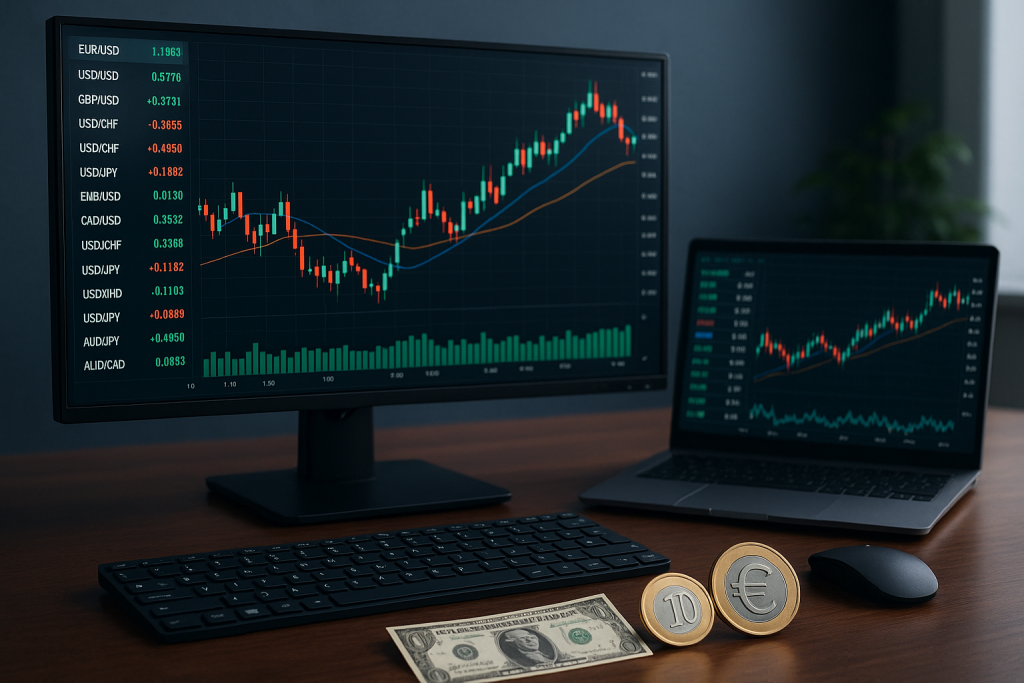
Risks, Costs, and Limitations of Forex in an SDIRA
Even though the mechanics are feasible, it is not without significant risks and structural constraints.
Leverage, counterparty risk and global currency exposure
Forex inherently includes leverage risk. Unlike buying stocks you own, FX trades often involve significant exposure relative to capital. Counterparty risk (broker default, currency-volatility spikes) remains acute. Using an SDIRA does not eliminate those risks. Advanta IRA
Custodian and broker fees specific to alternative assets
Custodians that handle alternative assets often charge higher annual fees, per-transaction fees or additional service charges. The cost of trading actively inside an IRA can erode return potential. Investopedia
Liquidity, RMDs and the challenge of active trading inside a retirement vehicle
Active Forex trading may conflict with the long-term orientation of retirement accounts. Required minimum distributions (RMDs) apply for Traditional IRAs after age 73 in many cases. If assets are illiquid or heavily tied up in currency positions, meeting RMD obligations becomes difficult.
Strategic Use Cases and Portfolio Implications
For the right investor the strategy can complement a broader alternative-investment framework. For others, it may be a mismatch.
Diversification benefits vs traditional assets
By trading currencies, you gain exposure to global macro drivers (interest-rate spreads, geopolitical shifts, commodity-linked currencies) rather than company earnings. That can reduce correlation with equities and bonds and give an inflation hedge or hedge to U.S. dollar weakness.
Sample scenario: accredited investor allocating to forex inside an SDIRA
Suppose an accredited investor has a private-placement real-estate portfolio and a private-equity fund. They allocate 5 % of their SDIRA to a Forex-enabled IRA account via a specialized custodian that allows FX trading. They execute a hedged strategy focusing on USD/JPY and AUD/USD pairs using moderate leverage (2:1) and strict risk controls. The gains flow back into the IRA, deferred until retirement. Meanwhile they maintain oversight of risk, keep a log of trades and maintain conservative sizing. This enables uncorrelated return potential inside their retirement vehicle.
How to integrate Forex within a broader alternative-investment strategy
Forex in an SDIRA is one piece of the puzzle. It works best when combined with: private placements, hedge fund strategies, real-asset exposures, and a governance framework. Use it not as a standalone strategy but as an uncorrelated tilt.
Due Diligence Checklist for Accredited Investors
Prior to pursuing this strategy you should have a disciplined process.
Key questions to ask custodians and brokers
- Does the custodian explicitly permit Forex trading inside the SDIRA?
- Which brokers does the custodian approve for currency trading?
- What are the custody, transaction, and annual fees?
- How is the account titled to comply with IRS rules?
- What recordkeeping, reporting or audit support is provided?
Documentation, risk governance and exit strategy
- Ensure all trades are documented and reconciled with broker/custodian statements.
- Maintain a written trading plan aligned with retirement objectives, risk tolerance and liquidity needs.
- Have an exit plan if trading strategy fails or market environment deteriorates.
- Review how this Forex allocation fits within your broader portfolio, including private placements.
When to reconsider— and when this strategy is not a fit
This strategy is not appropriate if you: require frequent distributions, cannot tolerate high leverage risk, lack Forex trading experience, or prefer purely passive retirement holdings. If the cost structure (fees + time) eats into the benefit, it may not be justified.
Conclusion & Professional Action Points
Trading Forex in a Self-Directed IRA delivers a unique alternative-asset opportunity for accredited investors. It offers tax-advantaged exposure to global markets, portfolio diversification and strategic flexibility. But it also demands rigorous custodian and broker selection, disciplined risk governance, detailed reporting and a retirement-focused perspective.
For investors willing to meet those requirements, this strategy can be a thoughtful complement to real estate, private equity and other alternative holdings.
Explore more insights on scaling businesses, building strategic partnerships, and navigating modern investment ecosystems at StephenTwomey.com.