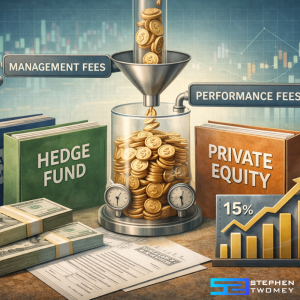

In a world of modest public market returns and rising economic uncertainty, many sophisticated investors are exploring how alternative investments can play a meaningful role in their portfolios. This article outlines how accredited investors, entrepreneurs and business leaders can view investing in alternative investments as part of a strategic private capital framework.
What Investing in Alternative Investments Really Means
Investing in alternative investments means allocating capital outside the traditional mix of stocks, bonds, and cash. These assets offer different risk profiles, liquidity features, and return drivers. They also require a deeper understanding of private markets because information is less standardized and results depend heavily on the quality of the underlying asset or sponsor.
Defining Alternative Investments vs Stocks and Bonds
Alternative investments are assets that fall outside public markets, such as private equity, private credit, real estate, infrastructure, and select collectibles. Unlike stocks and bonds, these assets are not traded on exchanges. They often rely on private negotiations and specialized underwriting. They can offer diversification because their performance drivers differ from movements in public markets.
Illiquidity
Illiquidity is a defining feature of most alternative assets. Capital is often locked up for several years. Investors cannot exit quickly without a willing buyer or a secondary market. This constraint can feel restrictive, yet long hold periods can also allow managers to create value without short term market pressure. Understanding the commitment period is essential before allocating funds.
Complexity
Alternative investments involve more complex structures and underwriting processes. Terms can include waterfall distributions, lock up provisions, preferred returns, and fee layers that differ from what investors see in public funds. This complexity requires careful review of offering documents and a clear view of how returns are generated. Investors benefit when they approach each opportunity with a disciplined due diligence framework.
Accreditation Demands
Accreditation rules limit many alternative investments to individuals who meet specific income or net worth thresholds. These requirements exist to help ensure that investors understand the potential risks and can withstand losses. Accredited investors often receive access to private placements, fund vehicles, and direct deals that are not available to the general public. Meeting the criteria is only the starting point. The real value comes from understanding how each investment aligns with overall strategy.
These traits do not make the assets unsuitable—they make due diligence and structure essential.
Why Accredited Investors Are Increasingly Embracing Alternative Assets
Institutional vs individual allocations (data)
Large institutional allocators and family offices have long held meaningful alternative-asset exposures. For example, data suggests some alternative asset managers now oversee portfolios in the trillions.
Diversification benefits and low correlation explained
One key draw is potential low correlation with public markets. That means in certain downturns alternatives may behave differently—and therefore reduce overall portfolio volatility.
Simply put: when stocks and bonds both struggle, alternative investments may provide a return source that behaves differently.

The Major Alternative Asset Classes Accessible Today
Alternative investments cover a wide range of private market opportunities. Each category offers different return drivers, risk profiles, and levels of transparency. Understanding the major asset classes helps investors decide where these strategies may fit in a broader allocation plan.
Private Equity and Venture Capital
Private equity and venture capital focus on investing in privately held companies. These strategies seek value through active management, operational improvement, or early stage growth. Returns can be meaningful, but outcomes depend on the quality of the sponsors and the strength of the underlying businesses. Investors need patience because exits often take years and valuation cycles can shift with market conditions.
Private Credit and Structured Credit
Private credit provides loans to businesses outside traditional banking channels. Structures include senior secured loans, mezzanine financing, and asset backed facilities. These instruments often deliver attractive yield because lenders accept higher risk and reduced liquidity. Structured credit can offer additional complexity through layered tranches and varying protections. The appeal lies in income stability when managed by experienced credit teams.
Commercial Real Estate and Real Assets
Commercial real estate and broader real assets provide exposure to physical properties and infrastructure. These assets can generate steady cash flow and may help counter inflation. Success depends on factors such as tenant demand, location strength, and effective property management. Real assets also include infrastructure, energy projects, and natural resources. They can play a stabilizing role in a diversified portfolio due to long term contracts and tangible value.
Collectibles, Art, Farmland and Niche Alternatives
Collectibles and niche alternatives span art, farmland, rare items, and specialty assets. These categories appeal to investors seeking uncorrelated return drivers and unique market dynamics. Farmland offers income through crop production and long term land appreciation. Art and collectibles depend heavily on market sentiment and scarcity. While these assets can diversify a portfolio, they require expert appraisal and a clear understanding of liquidity constraints.
How to Access Alternative Investments: Platforms and Structures
Direct private placements vs fund vehicles
Direct deals require significant investor sophistication, capital and time. Fund vehicles provide pooled access but come with fees and less control.
Crowdfunding and digital platforms for “alts”
Platforms such as Yieldstreet, Fundrise and Masterworks democratize access—some even for non-accredited investors—though minimums and risk remain substantial.
Considerations for accredited investors (minimums, lock-ups, fees)
When evaluating offerings ask: What is the minimum investment? What is the lock-up or liquidity structure? What fees apply? Transparency of assets is critical.
Risk, Return and Liquidity Trade-Offs
Fee and transparency concerns
Many alternative deals carry higher fees than typical ETFs. Some may lack audited performance data or standardised valuations.
Valuation and liquidity constraints
Illiquidity is real. Some alternative assets may not have a ready secondary market. Exits might depend on sponsor strategy or underlying market conditions.
Case data on returns and correlation
For instance, one analysis of fine-art investing suggested annualised returns of 14 % to 21 % for selected works—but past performance is not a guarantee.
Also the broader market of alternative asset managers is projected to grow substantially.
Strategy Considerations for the Modern Private Capital-Minded Investor
Portfolio allocation: what percentage should “alts” be?
There is no one size fits all. But many HNWI and family offices allocate between 10 % and 30 % of total portfolio to alternatives—depending on liquidity needs, risk tolerance and investment horizon.
Due diligence checklist for deal flow and sponsor quality
Key items: track record of sponsor, alignment of interests, transparent fee structure, exit strategy, asset-level risk factors, regulatory compliance.
The role of alternative investments in a digital strategy/wealth-tech era
As digital platforms proliferate, business leaders and entrepreneurs can incorporate alternative investments into broader digital wealth strategies—tracking portfolio analytics, leveraging fintech tools, and blending private market exposure with public market allocations.
Conclusion: Actionable Insight for Investors and Wealth Builders
For business leaders, marketing professionals and digital strategists, investing in alternative investments is not about chasing the next hot asset—it is about prudent private capital allocation, menu of non-traditional assets, and aligning with your broader wealth strategy. Evaluate opportunities with the same rigor you apply to marketing campaigns, digital channels or business investments.
Disclosure: This article is for educational purposes only and does not constitute financial advice.
For in-depth analysis on private market dynamics, business strategy, and capital formation, visit StephenTwomey.comfor ongoing research and commentary.